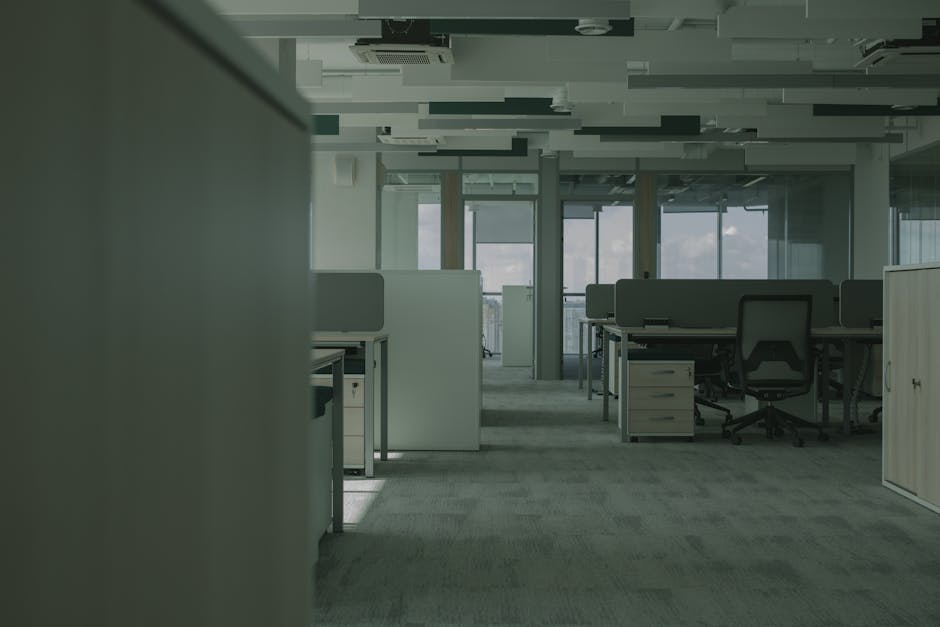
Commercial office cleaning Bow business solutions
Keeping an office clean sounds straightforward until you're the one responsible for desks, meeting rooms, kitchens, washrooms, carpets, bins, fingerprints on glass, and the general daily wear that comes with a busy workplace. That is where Commercial office cleaning Bow business solutions come in. The right cleaning plan does more than make the place look tidy; it helps staff settle, supports visitors' first impressions, and reduces the little messes that quietly turn into bigger problems if they're left alone.
In Bow, many businesses need a flexible approach rather than a one-size-fits-all service. A small office might need a reliable weekly reset. A larger shared workspace may need early morning cleans, periodic deep cleaning, and attention to high-touch points. This guide breaks down how office cleaning works, what to expect, where value really comes from, and how to choose a setup that suits your team without overcomplicating things. Simple, useful, and no fluff.
Contents
- Why Commercial office cleaning Bow business solutions Matters
- How Commercial office cleaning Bow business solutions Works
- Key Benefits and Practical Advantages
- Who This Is For and When It Makes Sense
- Step-by-Step Guidance
- Expert Tips for Better Results
- Common Mistakes to Avoid
- Tools, Resources and Recommendations
- Law, Compliance, Standards, or Best Practice
- Options, Methods, or Comparison Table
- Case Study or Real-World Example
- Practical Checklist
- Conclusion
- Frequently Asked Questions
Why Commercial office cleaning Bow business solutions Matters
Office cleaning is not just about appearance. In practice, it affects how a business functions day to day. A clean workplace is easier to organise, safer to move through, and more pleasant to work in. That matters whether your team is three people in a compact suite or thirty people spread across multiple rooms.
There's also the simple truth that offices accumulate dirt in sneaky ways. A reception area may look fine at 9am, then show scuffs, crumbs, coffee rings, and dusty corners by lunchtime. Meeting rooms get the fingerprints, the chair marks, the odd spill, and the "we'll deal with it later" feeling. Later usually becomes a bigger job. Funny how that works.
For Bow businesses, commercial office cleaning solutions also need to fit around real operations. Maybe you have client visits first thing. Maybe your staff work flexible hours. Maybe the office includes shared kitchens, printed documents, sensitive equipment, or carpeted areas that need more than a quick vacuum. A good service adapts to the workplace rather than forcing the workplace to adapt to the service.
It also supports a more consistent standard. One person clearing mugs, another wiping surfaces, and someone else "doing a proper clean" once in a while rarely creates the same result as a planned, methodical routine. Consistency is the quiet advantage. You don't always notice it when it's there, but you absolutely feel it when it's missing.
Expert summary: The best office cleaning solution is not the fanciest one. It's the one that keeps your workplace usable, presentable, and predictable without disrupting the people who work there.
How Commercial office cleaning Bow business solutions Works
Most office cleaning plans start with a short assessment of the space, the routine, and the key pain points. A busy front office needs different attention from a back-office admin room. Likewise, a client-facing firm may care more about presentation, while a shared workspace may need stronger focus on washrooms, bins, and touchpoints.
A practical plan usually looks at:
- the size and layout of the office
- how many people use the space
- which rooms need daily, weekly, or occasional attention
- floor types, carpets, or hard surfaces
- special requirements such as sensitive equipment or after-hours access
- the level of deep cleaning needed from time to time
In many cases, office cleaning is built around a regular schedule. That might include dusting, vacuuming, mopping, bin emptying, surface cleaning, washroom hygiene, kitchen cleaning, and basic tidying of communal zones. Then, on a separate cycle, the business may arrange a deeper clean for areas that build up grime more slowly, such as carpets, upholstery, or high-traffic flooring.
If carpets are part of the office, it often makes sense to pair a routine clean with targeted support such as commercial carpet cleaning or, where appropriate, steam carpet cleaning. That can help with embedded dirt, dull-looking fibres, and the sort of lived-in smell that office spaces sometimes collect. Not glamorous, but very real.
Office cleaning also works best when expectations are clear. For example, does "cleaning the kitchen" mean wiping counters and emptying the bin, or does it also include descaling taps, cleaning the microwave, and dealing with the fridge? Those small definitions save a lot of awkwardness later.
Key Benefits and Practical Advantages
The benefits of commercial office cleaning are easy to list, but the practical value goes deeper than that. What matters is how the service supports everyday business life.
A cleaner first impression
Visitors notice floors, glass, desks, and washrooms very quickly. Even a modest office can feel well-run if the surroundings are orderly and fresh. A clean environment quietly tells people that the business pays attention.
Better day-to-day comfort
Staff spend long hours in the same rooms. Dust, clutter, sticky surfaces, and overflowing bins all chip away at comfort. A proper cleaning routine keeps the space more pleasant, and yes, it can make Monday mornings slightly less grim. Slightly.
Reduced build-up and fewer emergency cleans
Regular cleaning keeps dirt from settling into carpets, corners, and hard floors. That often means fewer "we need this sorted urgently" moments, which is good for both the budget and everyone's nerves.
More reliable hygiene standards
High-touch surfaces like door handles, switches, desk edges, and shared kitchen areas need regular attention. A considered cleaning schedule helps maintain a more hygienic environment, especially in spaces with lots of turnover or shared use.
Longer life for surfaces and furnishings
Office carpets, upholstery, curtains, and hard floors can wear out faster if they're neglected. Routine care helps preserve them. For example, pairing day-to-day office cleaning with occasional hard floor cleaning or upholstery cleaning can protect materials that would otherwise pick up grime and dull over time.
Less disruption for your team
When cleaning is planned properly, staff can focus on work rather than tidying around the cleaner. That sounds obvious, but in busy offices it can be the difference between a useful service and a constant irritation.
| Cleaning approach | Best for | Typical strength | Watch-outs |
|---|---|---|---|
| Daily or frequent routine cleaning | Busy offices, reception areas, shared spaces | Maintains presentation and hygiene | May not tackle deep soil build-up |
| Weekly cleaning | Smaller offices, low-traffic workplaces | Cost-effective and manageable | Mess can accumulate between visits |
| Deep cleaning add-on | Carpets, kitchens, washrooms, neglected areas | Resets problem areas properly | Usually not a substitute for regular upkeep |
Who This Is For and When It Makes Sense
Commercial office cleaning makes sense for any business that wants a dependable standard without asking staff to do everything themselves. That includes professional services, startups, estate or property offices, small agencies, consultancies, clinics with admin areas, co-working spaces, and other workplaces that see regular footfall.
It is especially useful when:
- clients, suppliers, or tenants visit the office regularly
- the team shares kitchens, washrooms, or common rooms
- flooring or upholstery shows wear quickly
- the office has been neglected for a while and needs a reset
- staff are spending time cleaning instead of doing paid work
- you need a cleaner working pattern after hours or before opening
Sometimes the trigger is obvious. A coffee spill spreads across a carpet. A reception area starts looking tired. The bins are always full by 3pm. Other times it's subtler. People just stop wanting to use the meeting room, or the office starts feeling a bit stale. You notice it in the mood, really.
For businesses with changing occupancy, office cleaning can also sit alongside regular cleaning or a one-off reset through deep cleaning. If the premises are being handed over, moved into, or refurbished, related services such as move-in cleaning or move-out cleaning may be more appropriate for part of the job. Different phases, different priorities.
Step-by-Step Guidance
If you're deciding how to set up commercial office cleaning in Bow, here's the practical route that tends to work best.
- Walk the space properly. Don't just look at the obvious bits. Check behind doors, under desks, around kitchen edges, and the corners where dust seems to breed. That's where the real cleaning brief lives.
- List the priority zones. Reception, toilets, kitchen, meeting rooms, staff desks, print areas, carpeted zones, and entrances should each be considered separately. A reception desk isn't the same as a storage room.
- Separate daily tasks from periodic tasks. Daily tasks usually involve visible hygiene and tidiness. Periodic tasks include deeper work like polishing, descaling, steam cleaning, or stain treatment.
- Decide the access arrangement. Early morning, evening, or weekend access often works best in offices because it avoids disruption. If you have alarms, keys, or reception procedures, get those sorted upfront.
- Agree what "done" actually means. This is where many problems start. Is a bathroom clean when it smells fresh and looks tidy, or does it also include detailed touchpoint cleaning? Be specific.
- Set a review rhythm. A good cleaning plan should be checked after the first few visits, then adjusted as the office changes. A growing team often needs more support, not less.
If the office has carpets, sofas, or curtains, schedule those items separately rather than assuming routine cleaning will cover everything. It won't, not properly. You may also want to consider carpet cleaning and curtain cleaning if soft furnishings are part of the workspace. They make a bigger difference than many people expect.
One small but useful tip: if you manage a building with shared corridors or multi-tenant spaces, look at communal area cleaning as part of the wider plan. The office itself may be spotless, but if the shared entrance feels neglected, the whole place loses points.
Expert Tips for Better Results
In our experience, the best office cleaning outcomes come from small, boring habits done consistently. Not dramatic action. Not occasional panic. Just steady control.
- Use a room-by-room brief. Offices get messy in different ways. Kitchens need grease and crumb control. Meeting rooms need table and chair detail. Entrances need dirt tracked in from outside dealt with quickly.
- Keep waste under control. Overflowing bins make everything look worse than it is. They also create odour issues faster than most people realise.
- Protect flooring early. Entry mats and regular spot checks can reduce the amount of dirt that gets pushed deeper into the space.
- Don't ignore the little stains. Tea splashes, coffee marks, and printer toner dust all add up. A proper stain removal approach is useful when surface cleaning is not enough.
- Match cleaning methods to surfaces. Hard floors, carpets, glass, and upholstery each need a different approach. It sounds obvious, but mixed materials are where rushed cleaning often goes wrong.
- Build in seasonal resets. Winter brings more mud, salt, and wet foot traffic. Summer can bring dust and more open windows. Your cleaning routine should move with the season a bit.
And yes, keep an eye on the kitchen. Offices can be weirdly tidy everywhere else and then absolutely chaotic around the kettle. Humans are consistent like that.
Where windows, glass partitions, or bright reception areas are important to your brand image, a coordinated clean with window cleaning can sharpen the whole feel of the space. Clean light changes a room. You will notice it on a grey London morning, when the office suddenly looks less tired.
Common Mistakes to Avoid
Most office cleaning problems come from expectations, not effort. The service may be fine, but the brief was fuzzy, or the building changed, or nobody checked whether the setup still made sense. It happens all the time.
- Assuming office cleaning and deep cleaning are the same. They are not. Routine cleaning keeps things presentable; deep cleaning resets neglected or high-build-up areas.
- Leaving responsibility vague. If no one owns the cleaning standard, it slowly slides. A manager, office admin, or facilities lead needs to oversee it.
- Forgetting about hidden touchpoints. Handles, switches, appliance buttons, shared printers, and chair arms matter more than many people think.
- Using the wrong service for the surface. A hard floor, a carpet, and an upholstered chair should not be treated the same way. That is how finishes get damaged.
- Not reviewing the plan when the office changes. More staff, more visitors, or a new layout can all shift cleaning needs very quickly.
- Chasing the cheapest option without checking scope. A lower price can look great until half the job is not included. Then it's not actually cheap, is it?
One other common slip: ignoring after-event or post-refurbishment dirt. If your office has just been updated, or there has been mess from contractors, a support service like after builders cleaning may be the cleaner starting point before normal office routines resume.
Tools, Resources and Recommendations
Office cleaning works best when it is supported by the right everyday tools and a simple process. You don't need a cupboard full of gadgets. What you do need is a sensible toolkit and a few clear standards.
Useful operational basics
- colour-coded cloths and mops for different zones
- appropriate vacuuming equipment for carpeted areas
- surface-safe cleaning products
- sanitising products for high-touch surfaces where suitable
- microfibre cloths for dust and fingerprints
- clear waste and recycling bins
Helpful service pairings
Depending on the office, cleaning may need to be combined with related services. For example, hard floor cleaning helps where traffic is heavy and floors are visible. commercial carpet cleaning supports offices with fitted carpets that absorb dirt quickly. If furniture is looking dull, upholstery cleaning can bring back freshness without replacing perfectly usable items.
If the workspace includes soft seating used by clients or staff, sometimes a linked clean with sofa cleaning makes sense too. That's especially true in meeting lounges, waiting areas, and break-out zones where people settle in and spill things now and again.
What to ask before you book
- What is included in the routine clean?
- How are special areas or one-off tasks handled?
- Can the cleaning happen outside office hours?
- What happens if access arrangements change?
- How are complaints or quality issues raised?
It also helps to choose a provider that is clear about trust and process. The service pages for about the company, health and safety policy, and insurance and safety can be useful touchpoints when you are checking how seriously a business takes its responsibilities.
Law, Compliance, Standards, or Best Practice
Office cleaning in the UK often sits within a broader responsibility to keep workplaces safe, hygienic, and reasonably well maintained. The exact duties depend on the premises, the type of business, and how the site operates, so it is sensible to treat compliance as a practical discipline rather than a box-ticking exercise.
In everyday terms, that means:
- keeping walkways and common areas clear
- reducing slip and trip risks from spills and waste
- using cleaning methods that suit the surface and environment
- storing products correctly
- communicating access, safety, and site rules clearly
For many Bow businesses, good practice also includes being transparent about supplier processes, payment terms, and service expectations. That is why pages such as terms and conditions, payment and security, and privacy policy matter even in a cleaning context. Cleaners may need site access, contact details, or operational notes, and those details should be handled properly.
If sustainability is part of your internal policy, then recycling and waste handling matter too. A sensible office clean should align with recycling and sustainability practices where possible, especially in shared offices that generate a steady flow of paper, packaging, and general waste.
There is also a wider ethical dimension. Some businesses prefer to check that suppliers have clear statements on responsible practice, and that includes references such as a modern slavery statement. It is not glamorous, but it does matter. Quietly, in the background, it matters a lot.
Options, Methods, or Comparison Table
Choosing the right office cleaning method is often about fit rather than force. Here's a simple comparison to help narrow it down.
| Method | Best use | Advantages | Limitations |
|---|---|---|---|
| Routine office cleaning | Daily or weekly upkeep | Keeps the workplace stable and presentable | May not address deep grime or tired materials |
| One-off clean | Before visits, moves, or a fresh start | Quick reset for visible improvement | Needs follow-up to stay effective |
| Deep clean | Problem areas, neglected spaces, seasonal refresh | More thorough and restorative | Takes more time and planning |
| Combined cleaning plan | Most active workplaces | Balances maintenance and detail work | Requires clearer scheduling and scope |
For some offices, a combined plan is the best answer. Routine cleaning handles the daily reality, while a periodic deep clean deals with the build-up that routine cleaning can't fully remove. That can include carpets, corners, skirting, chairs, and other bits that quietly collect dust.
If the workspace has a lot of foot traffic near entrances, a mix of commercial cleaning and targeted entrance care is often more effective than trying to make everything perfect all at once. Perfect is lovely in theory. In a live office, good enough and consistent usually wins.
Case Study or Real-World Example
A small professional office in Bow came to a point familiar to many businesses: the team was getting on with work, but the building no longer felt fresh. Reception had scuff marks near the entrance, the kitchen table picked up smears every day, and the carpets in the meeting room had started to look a bit grey around the edges. Not awful. Just tired.
Instead of trying to solve everything in one go, the business separated the work into layers. The routine schedule focused on bins, touchpoints, kitchen surfaces, washroom checks, vacuuming, and visible presentation. Then they added periodic support for carpeted areas and upholstery, because those were the surfaces showing the most wear. The difference was not dramatic in a flashy way. It was steadier than that. The office simply felt looked after again.
There was also a practical change in morale. Staff stopped "just living with" the messy corners, and people were more likely to keep shared areas tidy because the baseline was better. That part is easy to overlook, but it matters. Clean spaces encourage cleaner behaviour. Not perfectly, but enough.
The takeaway? A good office cleaning solution is rarely about a single big clean. It is usually about setting a standard, then keeping it. Small improvements, repeated, add up.
Practical Checklist
Use this checklist before you agree an office cleaning plan.
- Have you identified the most used spaces?
- Are washrooms, kitchen areas, and reception included clearly?
- Do you know which tasks are daily and which are periodic?
- Have you considered carpets, floors, glass, and upholstery separately?
- Is the access arrangement clear for the cleaning team?
- Are the hours of cleaning suitable for staff and visitors?
- Has someone inside the business been assigned to review the service?
- Are there any security, insurance, or key-handling requirements?
- Do you know how problems, changes, or complaints will be raised?
- Have you checked pricing and what is actually included?
If the office also needs occasional support beyond standard upkeep, you might want to look at a related service such as one-off cleaning for a particular event or reset. Sometimes that's all a place needs to get back on track.
A quick final note on sustainability: if your office generates a lot of paper or packaging waste, ask how waste is managed and what can be improved. Small habits count. More than people expect, honestly.
Conclusion
Commercial office cleaning Bow business solutions are really about making the working day easier, cleaner, and more predictable. When the space is looked after properly, staff can focus, visitors feel welcome, and the office stops fighting your time and attention. That might sound simple, but simple is often what works best.
The strongest approach is usually a clear one: define the cleaning standard, match the method to the surfaces, schedule the work around your business, and review it often enough to stay ahead of problems. Do that, and the office stays in control instead of slowly drifting into chaos. Which, to be fair, is the thing most people are trying to avoid in the first place.
Get a free quote today and see how much you can save.
Frequently Asked Questions
What does commercial office cleaning in Bow usually include?
It usually covers dusting, vacuuming, mopping, bin emptying, surface wiping, kitchen cleaning, and washroom hygiene. Some offices also need glass, carpet, or upholstery care added into the plan.
How often should an office be cleaned?
That depends on foot traffic, the type of work, and how the office is used. Busy client-facing spaces often need more frequent cleaning than small back-office sites.
Is deep cleaning the same as regular office cleaning?
No. Regular cleaning maintains the day-to-day standard, while deep cleaning tackles built-up dirt and neglected areas more thoroughly. They work best together, not as substitutes.
What areas get overlooked most often?
People often forget skirting edges, chair arms, door handles, behind bins, under desks, and kitchen appliance buttons. Those are the spots that make an office feel either cared for or forgotten.
Can office cleaning be done outside working hours?
Yes, and that is often the easiest option. Early mornings, evenings, and weekends are common choices because they reduce disruption to staff and visitors.
Do office carpets need specialist cleaning?
Usually, yes. Routine vacuuming helps, but fitted carpets often need periodic specialist treatment to remove embedded dirt and refresh the fibres properly.
How do I know if our office needs a one-off clean or a regular service?
If the space just needs a reset for a specific occasion or after a build-up, a one-off clean may be enough. If the office needs ongoing order and hygiene, regular cleaning is usually better.
What should I ask before choosing a cleaning provider?
Ask what is included, how access is handled, whether they can work around your hours, how quality issues are reported, and whether additional services can be added if needed.
Does office cleaning help with workplace hygiene?
Yes. Regular cleaning of shared surfaces, kitchens, and washrooms supports better hygiene and helps reduce the build-up of dirt and mess in busy spaces.
Are commercial cleaning and office cleaning the same thing?
Office cleaning is a type of commercial cleaning, but commercial cleaning can also cover other business premises, communal areas, and more varied settings.
What if our office has mixed flooring and soft furnishings?
That is common, and it's worth planning for. Hard floors, carpets, curtains, and upholstery often need different methods, so the cleaning brief should reflect that from the start.
Where can I find information about service standards and policies?
Look for clear information on service pages such as health and safety policy, insurance and safety, and complaints procedure. That usually gives a good sense of how the service is run.
Can office cleaning be adapted as the business grows?
Absolutely. In fact, it should be. A growing office usually needs a different cleaning rhythm, more attention to shared areas, or extra deep cleaning from time to time.
What is the next sensible step if my office needs help?
Start by mapping the rooms, listing the priorities, and deciding how often each area needs attention. Then request a tailored plan so the service matches the way your office actually works.