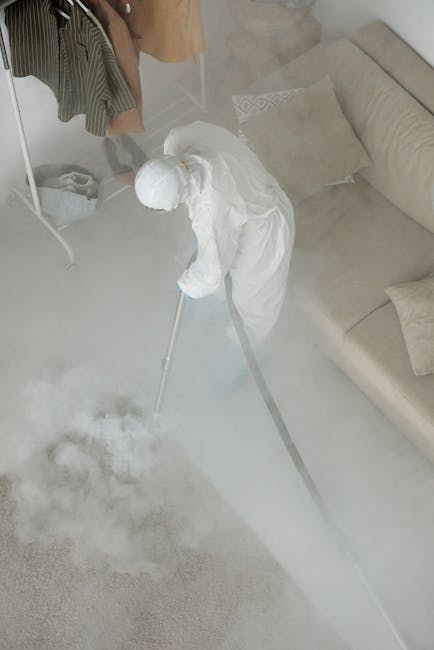
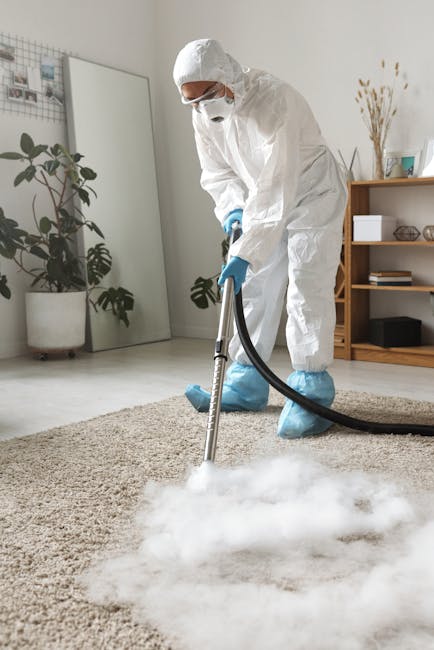
Emergency stain removal Bow Church DLR urgent carpet cleaning
If you have just spilled wine, coffee, mud, food, pet mess, or something worse on your carpet, you do not need a lecture. You need the stain dealt with properly, and fast. That is exactly where Emergency stain removal Bow Church DLR urgent carpet cleaning comes in: a practical, local, same-day style response to stop a fresh stain from becoming a permanent mark, a lingering smell, or a patch that keeps attracting dirt.
In a busy part of East London, with commuters, rentals, offices, and family homes all mixing in the same patch of ground, carpets take a beating. One small accident near Bow Church DLR can turn into a bigger headache by the end of the day. The good news? With the right approach, many stains can be reduced dramatically, and some can be removed completely. This guide explains how emergency stain treatment works, what to do before help arrives, when urgent carpet cleaning is worth it, and how to avoid making things worse. Simple, useful, no fluff.
Table of Contents
- Why emergency stain removal matters
- How urgent carpet cleaning works
- Key benefits and practical advantages
- Who this is for and when it makes sense
- Step-by-step guidance
- Expert tips for better results
- Common mistakes to avoid
- Tools, resources and recommendations
- Law, compliance, standards, or best practice
- Options, methods, or comparison table
- Case study or real-world example
- Practical checklist
- Conclusion
- Frequently asked questions
Why Emergency stain removal Bow Church DLR urgent carpet cleaning Matters
The first hour after a spill is often the most important. That is not marketing talk; it is simply how carpets behave. Liquids soak down through the fibres, into the backing, and sometimes into the underlay. The longer a stain sits, the more it bonds, spreads, or oxidises. Some marks also change colour as they dry, which is why something that looked manageable at 2pm can look brutal by tea time. Annoying, yes. Predictable, also yes.
Emergency stain removal matters because it protects three things at once: the appearance of the carpet, the smell of the room, and the lifespan of the flooring. A fresh spill handled well can often be lifted far more successfully than an old, scrubbed-in mark. Truth be told, people often try hard to fix it themselves first and accidentally push the stain deeper. That is understandable, but it is also why a rapid, informed response makes such a difference.
For homes around Bow Church DLR, time pressure is real. You might be dealing with guests, tenants, a landlord inspection, a work event, or simply the fact that your living room now has a red patch on the cream carpet. In commercial spaces, the problem can be even more visible. A stain in an office reception or shop entrance sends the wrong message instantly. Nobody wants visitors stepping around a blotch and pretending not to notice it.
Key point: urgent carpet cleaning is not only about appearance. It can help reduce odour, prevent fibre damage, and stop a fresh spill from becoming a long-term repair issue.
How Emergency stain removal Bow Church DLR urgent carpet cleaning Works
A proper emergency stain removal process usually starts with identifying the stain and the carpet fibre. That sounds technical, but it is pretty practical. Wool, synthetic blends, polypropylene, and nylon all react differently to moisture, heat, and cleaning products. So do stains from food, drinks, makeup, ink, pet accidents, grease, or mud. One method does not fit all. If someone tells you it does, be cautious.
In most urgent carpet cleaning jobs, the process follows a similar pattern:
- Assess the stain - what caused it, how fresh it is, and whether the carpet has already been treated.
- Blot, do not grind - remove excess liquid or solids carefully before they spread further.
- Choose the right pre-treatment - different stains need different chemistry. A protein stain is not handled like a wine spill.
- Agitate gently where needed - light mechanical action can help, but aggressive scrubbing is often a mistake.
- Extract or rinse - controlled hot water extraction, spot treatment, or low-moisture methods may be used depending on the fibre and stain.
- Dry properly - fast drying matters because damp carpet can attract re-soiling or develop odour.
In an emergency setting, speed and restraint are both important. Fast does not mean rushed. The right response is measured, targeted, and careful. A good technician will also check whether the stain has a chemical reaction risk. For example, some DIY stain removers bleach dyes or set tannins into the fibres. A carpet can go from "messy but fixable" to "permanently marked" in one overconfident minute. Not ideal.
Used well, urgent carpet cleaning can restore a room that felt embarrassing ten minutes earlier. Used badly, it can leave rings, faded patches, sticky residue, or a smell that comes back when the carpet dries. That is why method matters.
Key Benefits and Practical Advantages
The obvious benefit is stain reduction. But the real value is broader than that. Emergency carpet treatment is a small intervention that can prevent a bigger one later. Here is what people usually notice after a good urgent clean:
- Better appearance quickly - the room looks normal again, or at least much closer to it.
- Less risk of permanent damage - especially with dyes, tannins, pet accidents, and greasy spills.
- Improved smell - useful for food spills, milk, vomit, pet urine, and damp patches.
- Less stress - which, let's face it, is half the battle when a big spill happens at the wrong time.
- Better outcomes for rentals and inspections - useful for tenants, landlords, letting agents, and property managers.
- Cleaner carpet fibres - when a stain is removed properly, the surrounding area often looks fresher too.
There is also a money angle, although it should be treated carefully. A fast, targeted clean can sometimes save a carpet from needing more intensive restoration or replacement later. That said, some stains are stubborn and may still leave a faint shadow. Honest expectation-setting is a good sign, not a bad one. If a cleaner explains the likely outcome before starting, that is usually a reassuring sign they know what they are doing.
Practical advantage: urgent carpet cleaning is especially useful when the stain is localised and fresh, because that is where the highest success rate usually sits.
Who This Is For and When It Makes Sense
This service is for anyone who cannot wait days for a routine appointment. That includes households, renters, landlords, shop owners, office managers, and anyone preparing a space for guests or a handover. If the stain is fresh, visible, smelly, or in a high-traffic spot, emergency help is worth considering.
Common real-world situations include:
- A glass of red wine on a pale lounge carpet just before visitors arrive.
- Coffee splashed across an office carpet near reception.
- Pet urine soaked into a hallway runner overnight.
- Food grease or sauce dropped during a family meal.
- Mud tracked in after rain, especially on light carpet pile.
- DIY cleaning gone wrong, leaving a ring or sticky patch.
It also makes sense if you are unsure what caused the stain. A mystery mark is often trickier than it looks. For example, a pale brown patch might be drink spill, old water damage, or residue from a previous cleaning attempt. In that case, a proper inspection saves time and guesswork.
There are situations where urgent carpet cleaning is helpful but not magical. If the carpet is badly worn, heavily faded, or already stained from years of use, the goal may be improvement rather than total restoration. That is normal. Good professionals will tell you the difference plainly instead of pretending every carpet can be made factory-fresh with a bit of optimism and a spray bottle.
Step-by-Step Guidance
If you are waiting for help, or if you want to handle the first few minutes correctly, follow this approach. Keep it calm. A messy situation is not the time for heroic scrubbing.
- Act quickly, but carefully
Remove loose debris first. If the spill is liquid, use clean white paper towels or a dry cloth to blot. Press down gently and lift. Do not rub side to side. - Protect the area
Keep shoes, pets, and furniture off the spot if possible. A stain walked into the pile becomes much harder to remove. - Identify the spill
Try to remember what caused it. Food, drink, cleaning product, ink, oil, and organic stains all behave differently. - Avoid random chemicals
Do not pour bleach, vinegar, washing-up liquid, or household stain sprays on the carpet unless you know they are suitable. Two bad products can make a worse problem. Strange, but true. - Blot again if needed
Keep lifting moisture from the carpet without forcing it deeper. - Ventilate the room
Open windows if weather allows. A little airflow helps reduce moisture build-up and odour. - Document the stain if necessary
If this is for a tenancy, business, or insurance claim, take a few photos before the area changes further. - Arrange professional treatment
For stubborn, large, or smelly stains, a specialist spot treatment or urgent carpet cleaning visit is often the best next step.
One small but useful tip: keep the cleaning area as small as possible at the start. People often over-wet a large patch in an attempt to help, and then the stain blooms outward. It happens all the time. A neat stain can become a broad damp halo, which is not the look anyone wants.
Expert Tips for Better Results
Here is where experience really matters. Stain removal is partly chemistry, partly judgement, and partly knowing when not to meddle.
- Work from the outside in - this helps stop the stain spreading wider.
- Use white cloths only - coloured towels can transfer dye, especially on damp carpet.
- Test products first - even "gentle" solutions can affect delicate fibres or dyes.
- Do not overheat the carpet - heat can set some stains, particularly protein-based marks and some synthetic dyes.
- Drying matters as much as cleaning - a treated area that stays damp too long can smell musty or re-mark.
- Deal with odour at the source - masking smells rarely works for long. If the spill was organic, full extraction is better.
- Be honest about carpet age - older carpets may have weakened fibres, so aggressive treatment is risky.
A good rule of thumb: if the stain is spreading, if it smells, or if you have already tried two or three things and made no progress, stop improvising. You are probably at the point where proper treatment will save time. And probably your temper too.
In our experience, the best results often come from a quick professional response combined with sensible at-home care in the first few minutes. It is not glamorous. It is just effective.
Common Mistakes to Avoid
Most stain damage is not caused by the spill itself. It is caused by the panic afterwards. Here are the classic errors:
- Scrubbing hard - this frays fibres and pushes the stain further in.
- Using too much water - excess moisture spreads the stain and can damage the underlay.
- Mixing cleaning products - this can create residue or, in some cases, unsafe fumes.
- Using bleach on coloured carpet - obvious, but people do it. The result is rarely charming.
- Leaving sticky residue behind - detergent residue attracts dirt and creates a re-soiling patch.
- Waiting too long - especially with tannins, pet stains, ink, or dyes.
- Ignoring the backing or underlay - a surface that looks better on top may still smell or wick back later.
Another common mistake is assuming a stain is gone because it looks better while wet. Some marks reappear as the carpet dries, a process often called wicking. That is particularly common with spills that soaked down beyond the pile. So yes, a stain can play dead. Rather rude, really.
If you are unsure, the safer move is to keep the area lightly blotted and get advice before adding more chemicals. Less drama, better odds.
Tools, Resources and Recommendations
You do not need a warehouse of equipment to handle the first stages of an emergency spill. A few sensible items are enough to buy time until professional help arrives.
- Clean white cloths or paper towels for blotting.
- Disposable gloves for hygiene, especially with pet or food contamination.
- A blunt spoon or scraper for lifting solids without grinding them in.
- Cold water in a small amount for initial dampening if the stain type allows it.
- A fan or open window to help with airflow.
- Portable stain remover made for carpets, but only if you are confident it suits the fibre and spill type.
For longer-term care, services such as carpet cleaning, stain removal, steam carpet cleaning, and pet stain odour removal are especially relevant when the carpet needs more than a quick blot and spot treat. If the spill has spread into nearby upholstery or a rug, it may also be worth looking at sofa cleaning or rug cleaning so the room feels properly reset rather than half-done.
And if you are comparing service levels or trying to understand likely costs before booking, the page on pricing and quotes is a sensible place to start. A transparent quote is always better than a vague promise. Always.
Law, Compliance, Standards, or Best Practice
For ordinary homeowners, the main concern is safe, sensible treatment of the carpet and the surrounding space. For landlords, agents, and businesses, there may also be cleaning standards, handover expectations, insurance issues, and duty-of-care considerations. The exact requirements vary by context, so it is wise not to assume one rule fits every property.
In the UK, good practice usually means using suitable products, following manufacturer guidance where available, and being careful around vulnerable occupants, pets, electrical items, and ventilation. If a cleaner is using stronger chemicals or hot equipment, you would reasonably expect them to manage safety properly and explain any drying or access restrictions. That is just common sense, though common sense seems to go on holiday now and then.
For commercial premises, documentation can matter. Photos before and after, notes on the stain type, and a clear explanation of what was treated can be useful for internal records or tenant handovers. If you are dealing with a managed property, it is sensible to keep things tidy in case the issue becomes part of a deposit discussion or insurance conversation.
It is also worth checking general business safeguards such as insurance coverage, payment security, and complaint handling. Those details are not exciting, but they matter. You can review the business's policies on insurance and safety, payment and security, and terms and conditions before booking if you want that extra bit of reassurance.
Options, Methods, or Comparison Table
Not every stain needs the same approach. Choosing the right method depends on the spill, the carpet fibre, how far the stain has spread, and whether odour is part of the problem. Here is a simple comparison to help you think it through.
| Method | Best for | Strengths | Limitations |
|---|---|---|---|
| Blotting and light spot treatment | Fresh spills, small surface stains | Fast, low-risk, useful as first aid | May not remove deep contamination or odour |
| Targeted stain removal | Wine, coffee, food, ink, grease, cosmetic marks | More accurate treatment, less over-wetting | Needs correct product choice and technique |
| Hot water extraction or steam carpet cleaning | Embedded dirt, larger spill areas, general refresh | Deep clean, good for residue and older grime | Drying time and not ideal for every fibre |
| Pet-specific odour treatment | Urine, vomit, organic contamination | Addresses smell as well as staining | May require deeper treatment or repeat visits |
| Full carpet cleaning service | When the stain sits within a generally tired carpet | Improves the whole room, not just the stain | More time and cost than a simple spot clean |
If the stain is isolated and fresh, a targeted approach is usually the smartest choice. If the carpet is overall dull, and the spill is just the final straw, a broader clean may be better value. That is especially true in hallways, rentals, and busy living rooms where dirt levels are uneven.
Case Study or Real-World Example
A typical emergency call might go something like this: someone spills coffee during a late-morning meeting in a small office near Bow Church DLR. The office carpet is a mid-tone grey, which sounds forgiving until the coffee seeps in and leaves a dark patch with a pale outer ring. One person grabs kitchen spray, another reaches for water, and someone else starts blotting with blue paper towels that promptly shed lint everywhere. Classic scene.
Once the correct stain type is identified, the cleaner starts by lifting residue carefully, then applies a suitable pre-treatment to the marked area. The key is not to flood the carpet. A controlled extraction removes the coffee and the leftover product, and a dry pass helps reduce moisture. In that sort of situation, the visible stain usually improves a lot, and the room is back to normal far quicker than if everyone had kept experimenting with household products.
Another common example is pet urine in a hallway carpet at home. The stain may look small on the surface, but odour can linger because the liquid has moved deeper into the pile and backing. In that case, surface blotting alone is not enough. The best outcome usually comes from a proper pet-focused clean that addresses both the visible mark and the smell underneath. If the room has already started to feel "off" when you walk in, that is often the clue.
Small takeaway: the most successful jobs are usually the ones where the right intervention happens early, not the ones where six different sprays are used in a row.
Practical Checklist
Use this quick checklist if you are dealing with a spill right now:
- Identify the stain if you can.
- Blot gently with a clean white cloth.
- Do not scrub.
- Do not mix cleaning products.
- Keep people and pets away from the area.
- Ventilate the room if possible.
- Take a photo if you need a record.
- Check whether the stain is spreading or smelling.
- Consider professional urgent cleaning if the mark is large, fresh, smelly, or on a light carpet.
- Ask about fibre type, drying time, and expected outcome before booking.
If you are dealing with a bigger clean-up rather than a single stain, you may also find deep cleaning, one-off cleaning, or even domestic cleaning helpful as part of getting the whole place back under control.
Get a free quote today and see how much you can save.
Conclusion
Emergency stains are stressful because they feel urgent, visible, and somehow personal. One minute the carpet is fine; the next it is the thing you cannot stop looking at. But with a calm first response and the right urgent carpet cleaning approach, a lot can be improved very quickly. Sometimes dramatically so.
For Bow Church DLR homes, rentals, and businesses, the best results usually come from acting early, avoiding random DIY fixes, and choosing a method that suits the stain rather than just attacking it harder. That is the real difference between a temporary panic and a proper recovery.
If you are dealing with a fresh spill right now, take the pressure off yourself a little. Protect the area, blot carefully, and get the right help before the stain settles in. Small action now can save a lot later, and that is worth doing properly.
Frequently Asked Questions
How quickly should I deal with a carpet stain?
As soon as possible. Fresh stains are usually much easier to lift than dried-in marks. Even a few minutes can make a difference, especially with drinks, food dyes, and pet accidents.
Can I use washing-up liquid on a carpet stain?
Sometimes people try it, but it is not always the safest choice. It can leave residue, create foaming, or affect delicate fibres. If you are unsure, a small amount of plain water and blotting is safer until you know what the stain is.
Will hot water remove every stain?
No. Some stains respond well to heat and extraction, but others can set if treated the wrong way. Protein-based spills, certain dyes, and some inks need specific handling.
What stains are hardest to remove?
Commonly stubborn stains include red wine, coffee, tea, ink, grease, makeup, bleach marks, pet urine, and old unknown stains. The age of the stain often matters as much as the stain type.
Is it better to blot or scrub?
Blot. Scrubbing usually pushes the stain deeper and damages the carpet pile. Gentle pressure and repeated blotting are far more effective.
What if the stain looks better but still smells?
That usually means the contamination is deeper than the surface. Smell often points to residue in the fibres or underlay, so a fuller treatment may be needed.
How long does urgent carpet cleaning take?
It depends on the stain size, fibre type, and drying requirements. A small spot may be dealt with fairly quickly, while larger or more complex stains take longer because they need careful treatment and proper drying.
Can emergency stain removal work on light-coloured carpets?
Yes, though light carpets can show staining more clearly and may need more careful treatment. The sooner you act, the better the chances of improving the result.
What should I do if I already tried to clean it and made it worse?
Stop adding more products. Note what you used, keep the area gently blotted if needed, and mention the previous attempts when asking for help. That information can save a lot of time.
Is it worth booking professional help for a small stain?
If it is fresh and tiny, you may be able to handle the first step yourself. But if the stain is on a valuable carpet, smells, keeps spreading, or you are worried about making it worse, professional help is often worth it.
Can urgent carpet cleaning help before a tenancy inspection?
Yes. It is often used to improve visible staining before check-out, handovers, or inspections. Just be realistic about what the carpet can achieve if the mark is old or the pile is worn.
How do I know whether I need stain removal or a full carpet clean?
If one fresh spill is the issue, targeted stain removal may be enough. If the carpet looks tired overall, has several marks, or has picked up general dirt, a full clean may be the better option.